It began in his mother's kitchen, but it was a market garden in De Bilt that changed how Philipp understood food.
Working in a permaculture market garden made something clear that no restaurant had: how much care goes into growing something properly, and how rarely that care is acknowledged by the time food reaches a plate. The farmers who truly care for the soil, respect the seasons, and look after their animals are the ones who deserve to be at the centre of the story.
That realisation led Philipp into a restaurant that worked closely with the same farm. There he learned the other side: how to respect a good product by transforming it well. How to let the ingredient lead. How cooking in proximity to the source changes everything about the way you work.
"Once you understand what a farm can produce when it is done right, you cannot go back to the other kind."
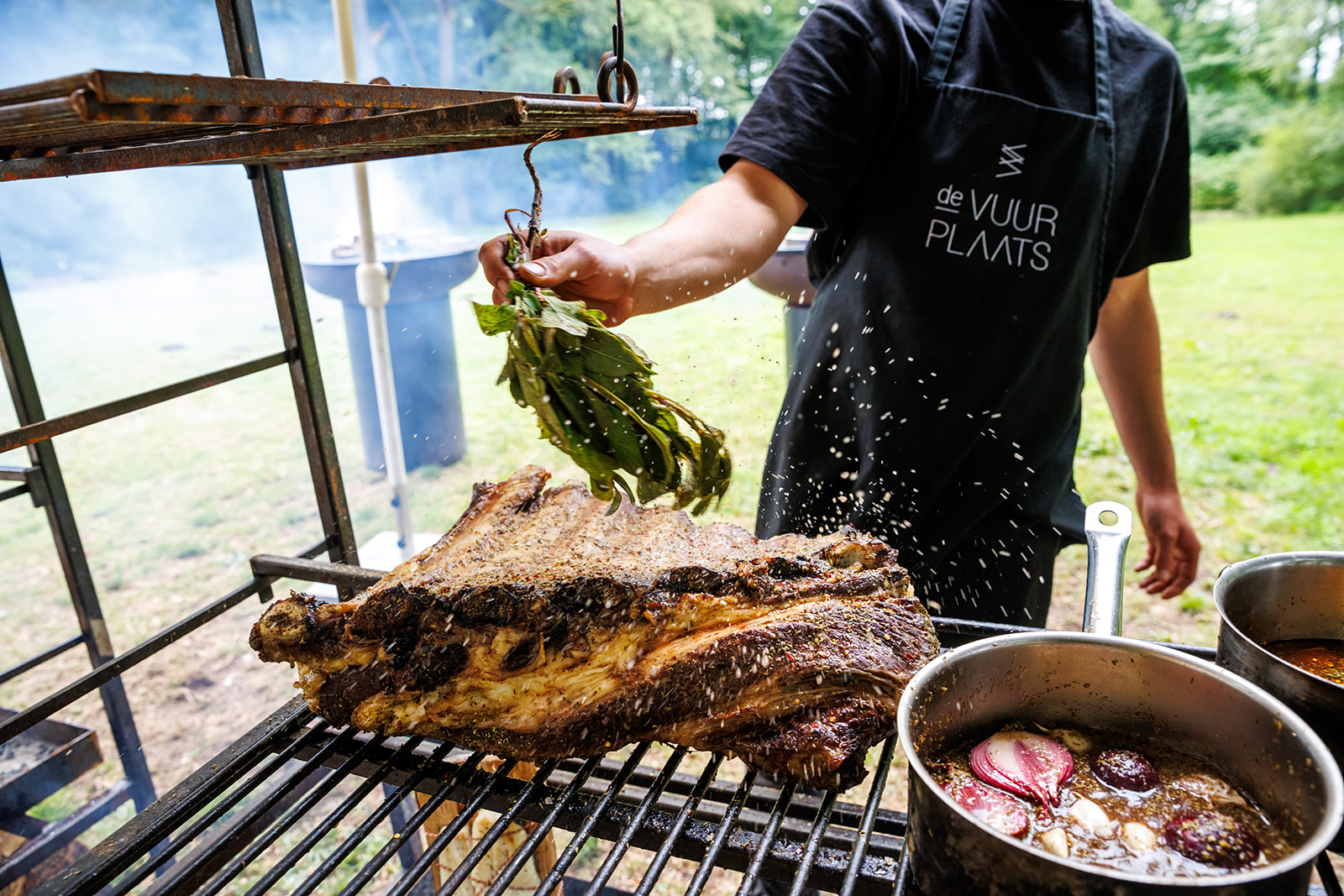
At de Vuur Plaats, he honed what had become an obsession: smoke, fire, and the slow transformation of honest ingredients. Open fire cooking, hands in the heat, no shortcuts. And then, over time, he understood: his skills belonged not in a restaurant, but in the product itself. That is why Red Thorn exists.
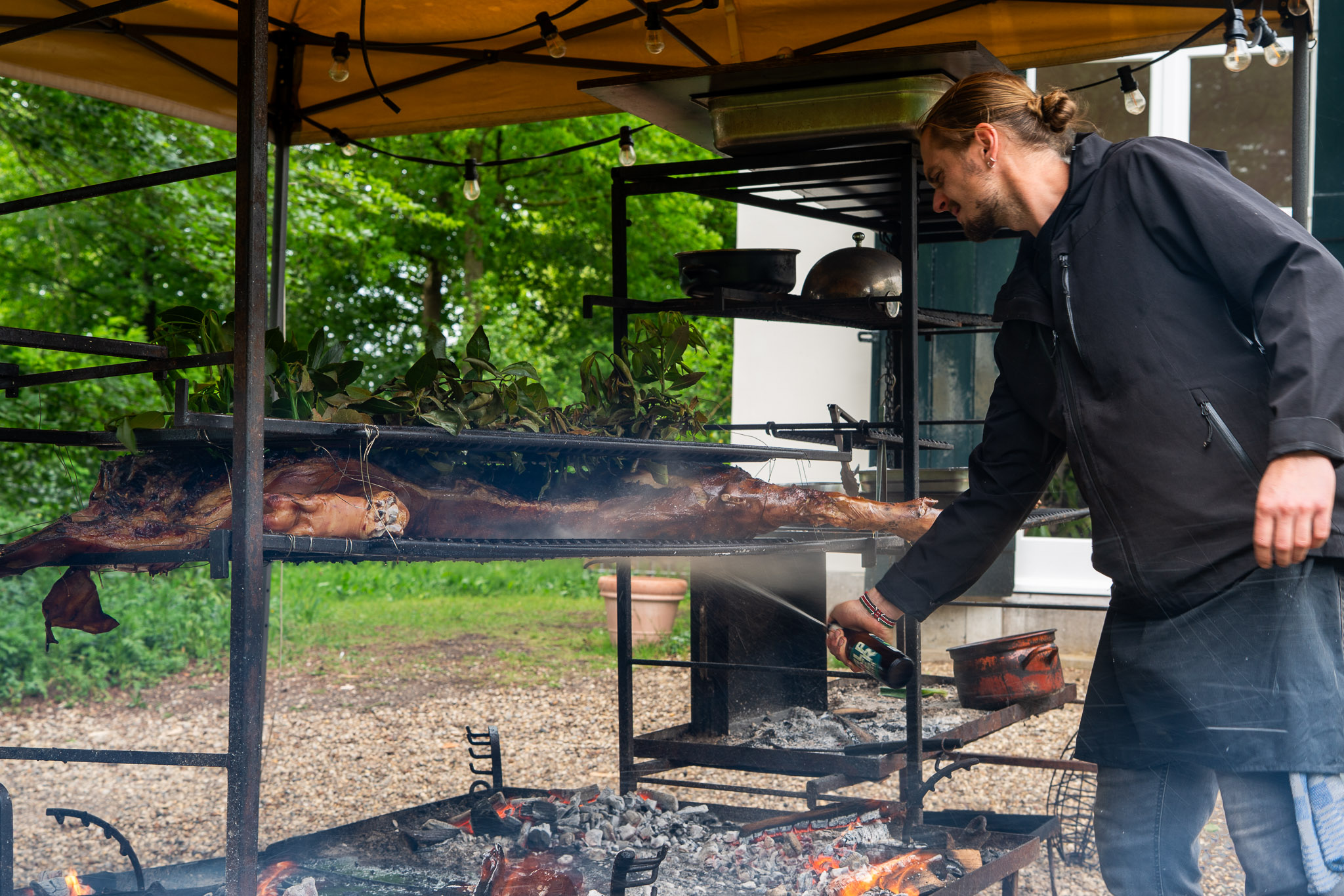
The fat remembers what it ate. That is what we protect.
Kenya has exceptional raw material: grass-fed beef, pork from small holdings in the Rift Valley, lamb that has grazed on acacia scrub its whole life. The fat remembers what it ate. The problem is that almost none of it makes it past the slaughterhouse without being turned into something less — something pink, smooth, and anonymous.
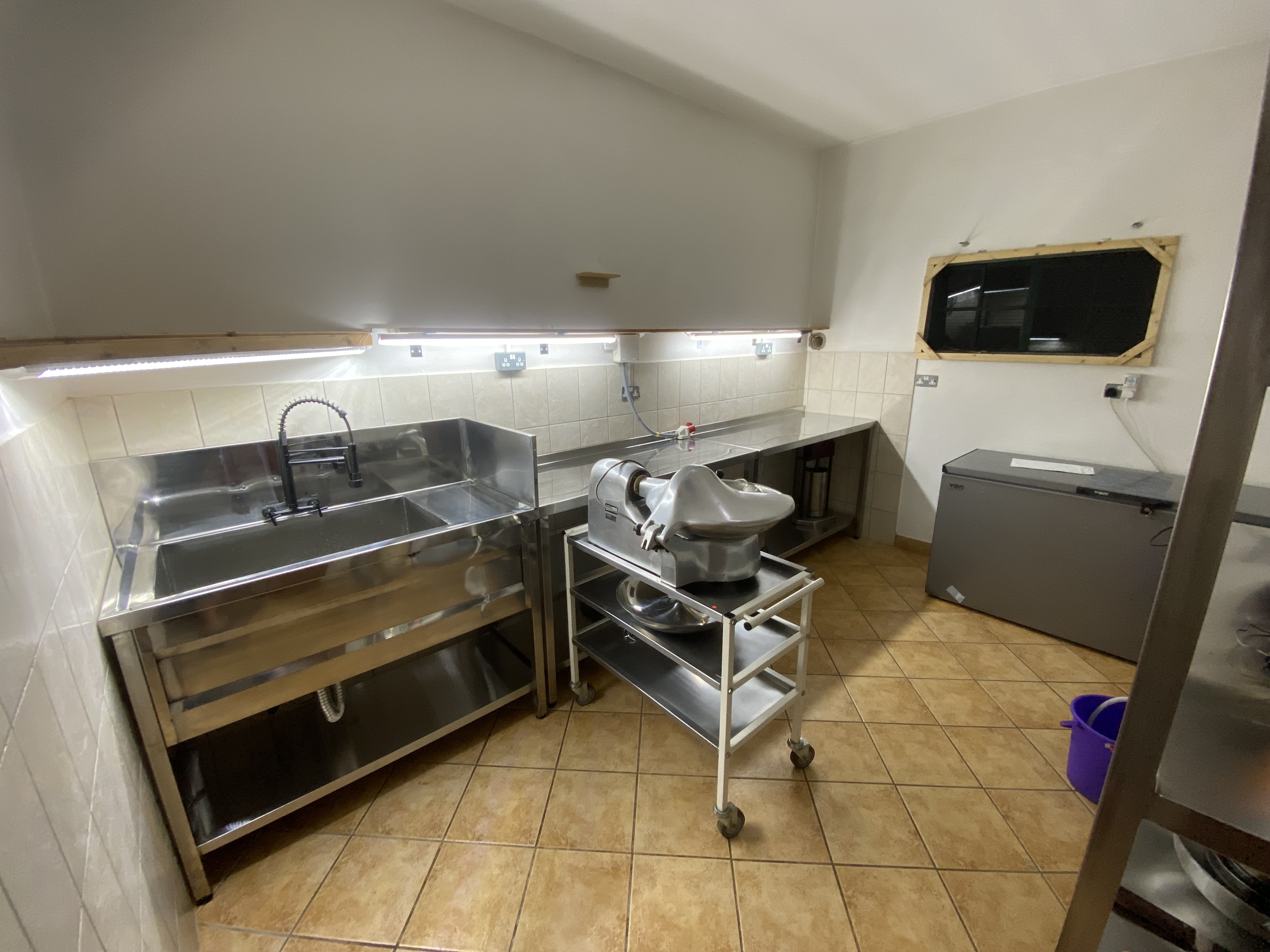
Red Thorn started with a hand-built smoker, a second-hand butcher's block, and a simple idea: that this country deserves a sausage made from its own best ingredients, handled with the care they have earned. The first batch went to friends. The waiting list came quickly after.
-
The Beginning 01
Mum's Kitchen
Long before the smoker or the block, it was his mum's kitchen where Philipp learned to cook — and where the standard for everything that came after was quietly set.
-
2023 02
Farm to Kitchen - Moestuin Vollenhoven, De Bilt
He joined a market garden to deepen his knowledge of growing food, with no idea it would be the moment that pulled him into the culinary world.
-
2023 03
The Asado - De Vuur Plaats
From there, he found his way into a restaurant working directly with that same farm — and it was there, among people who mentored him and pushed his craft forward, that he sharpened his skills as a cook.
-
2026 04
Red Thorn opens
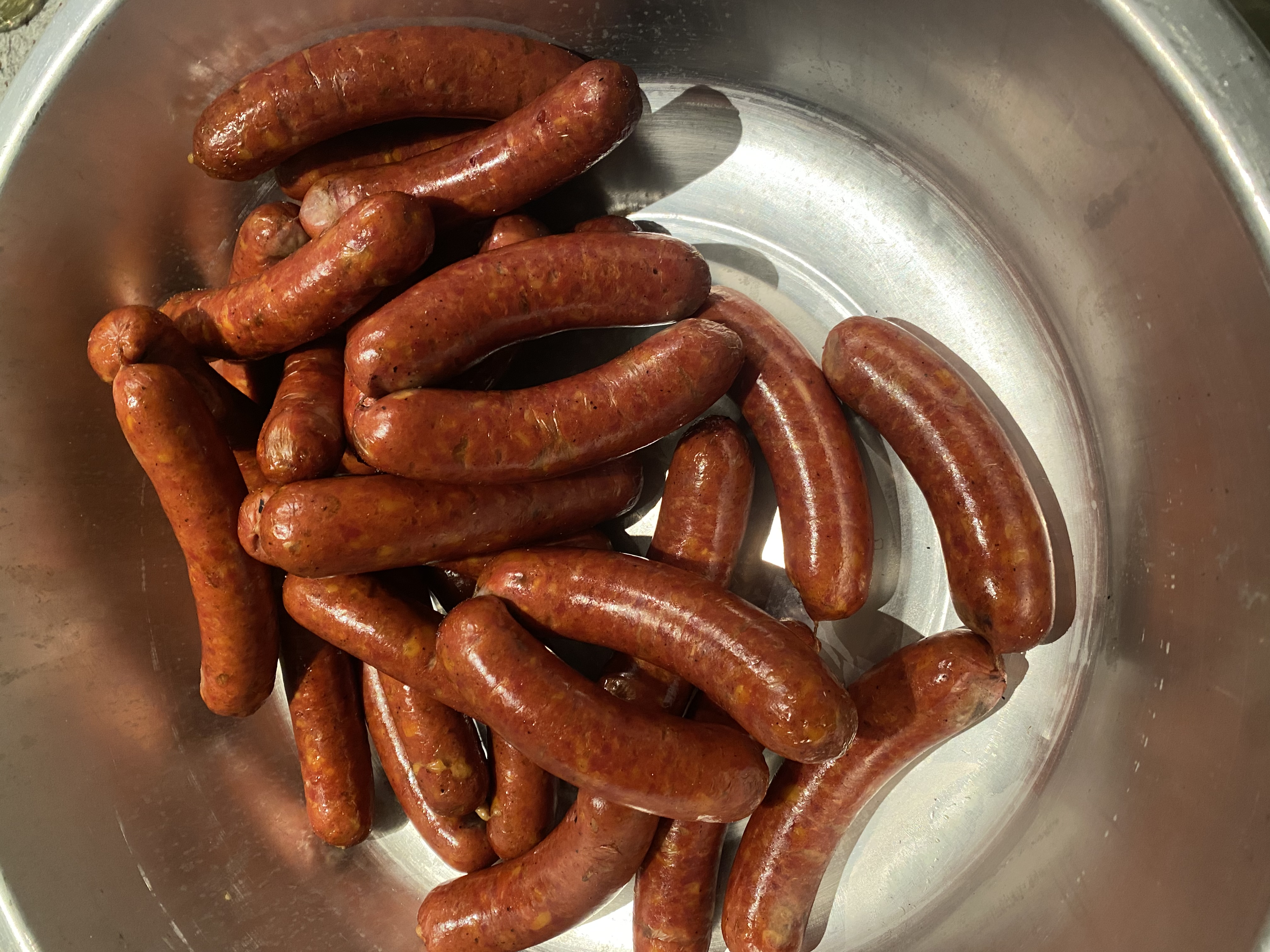
First batch leaves the farm. A hand-built smoker, a butcher's block, and sausages made from Kenya's best ingredients — handled properly.
-
Now 05
Weekly batches
Made every week, delivered Nairobi-wide with possible same-day delivery. The waiting list is a feature, not a problem.
Philipp does the butchery, the curing, the smoking, and the sourcing. One person, one standard.
"I want to bring quality that is generational to Kenya — to put us on the global map of the best food products."
"Source whole. Season simply. Cook slow. Never dress up what is already honest."
A short list. We mean every one of them.
-
i.
Whole cuts, never trim.
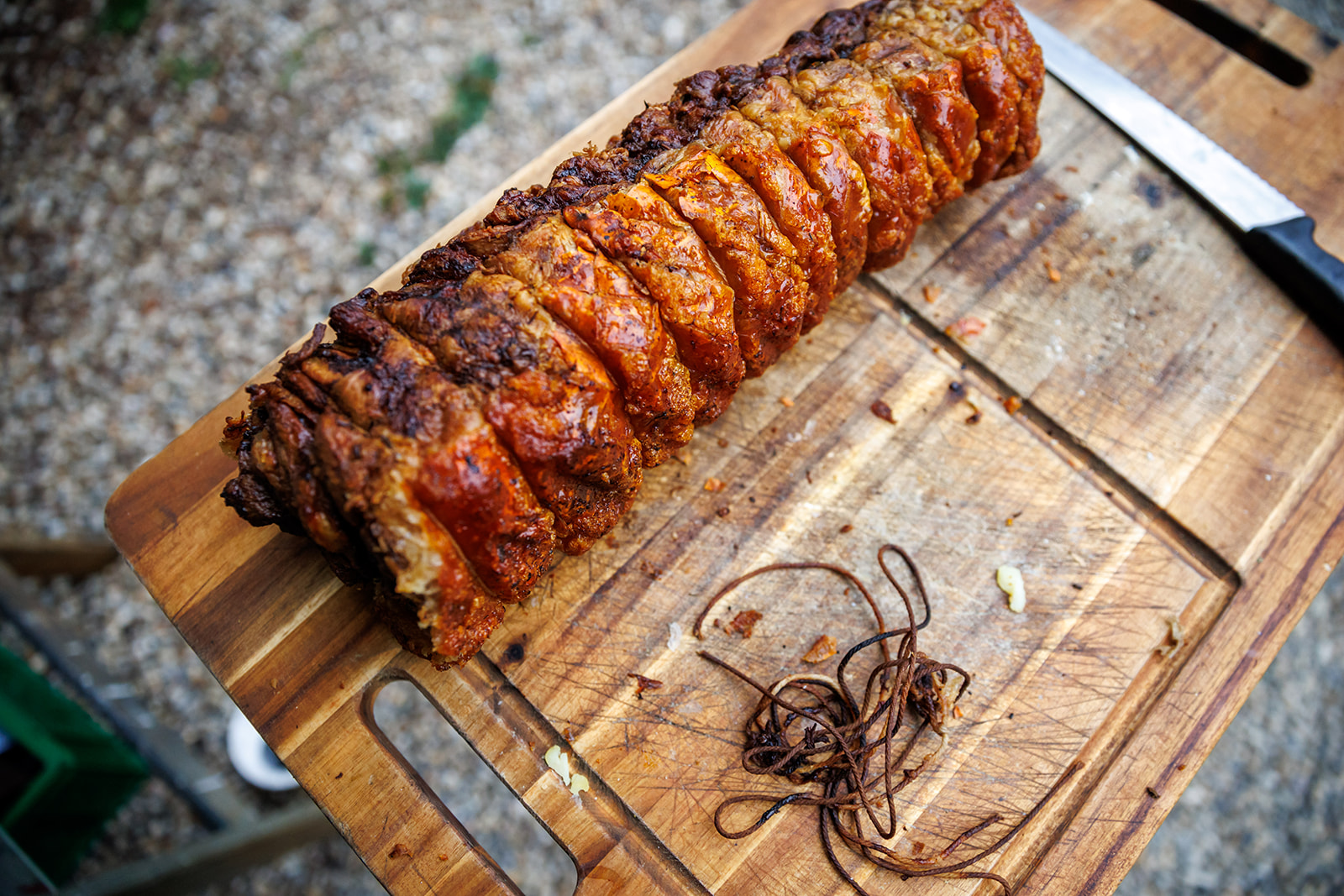
Every sausage is built from cuts we could roast as they are — shoulder, belly, leg. Nothing reclaimed or rebuilt from by-product.
-
ii.
Real ingredients.
Meat, fat, salt, spice, casing. If the recipe doesn't fit, the recipe is wrong. No phosphates, no fillers.
-
iii.
Real smoke, real wood.
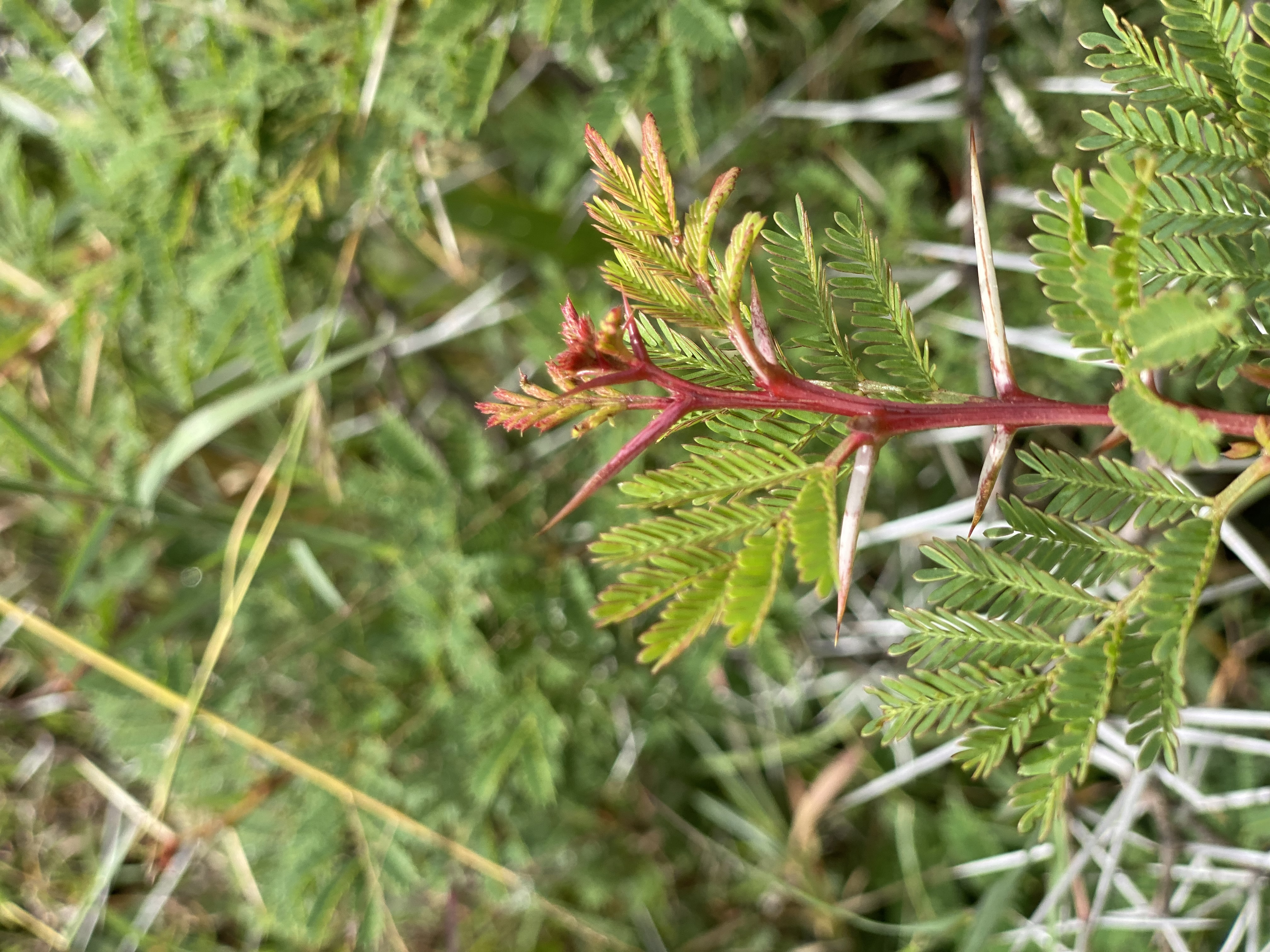
Acacia, cut on the farm. No liquid smoke, no flavouring bottles in the cupboard.
-
iv.
Hands, not machines.
Cased, tied, and weighed by hand. The links are a little uneven. That is how you know nobody automated it.
-
v.
Small enough to know your name.
We make what we can make properly in a week. The waiting list is a feature, not a bug.